
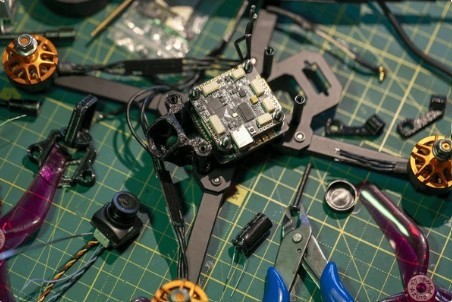
Ever looked up in the sky and saw a drone flying overhead and thought “wish I could build that”? Well you’re not alone, from a very humble beginning with making a paper plane to smart autonomous flying machines, DIY Drones have taken aeromodelling to whole new level and opened its doors to people with any sort of background. What once was a niche hobby for diehard RC enthusiasts, now became a playground for engineers and creators. In this blog, we dive into how modern tech revolutionized DIY drones and why it’s the perfect time to be a part of it.
What are DIY Drones and Why Drones took off?
Do-it-yourself or DIY Drones are the custom-built aerial vehicles created using off the shelf components and open-sourced software. These are not your typical readymade drones which you usually buy off the stores, DIY drones are assembled piece-by-piece: from selecting frame, motors, propellers to sensors and even writing the code on which it will take-off. The thing that makes these DIY drones so special is the complete freedom to design, modify, experiment and implement those ideas with ease.
A big question till now is what led to this explosive popularity of DIY Drones? Some major reasons are:
1. Easy access to Hardware
The hardware to interface and build prototypes became easily accessible to everyone, examples include microcontrollers like Arduino, ESP32 or components like brushless motors, propellers, easy to use sensors which are now available to purchase online on websites at pocket friendly prices.
2. Open-Source Ecosystem
From building drones alone in a lab to connecting with entire internet for the biggest aeromodelling classroom, internet paved the way for this. Platforms like YouTube, Hackster.io, GitHub now have endless tutorials and made open-source flight controller code available to anyone. Nowadays all you need is enough curiosity to access it all.
3. An Engineering Goldmine
Building a drone quickly elevated from just a hobby to a full skill integration crash course in coding, electronics, mechanics and physics. You learn how to tune PID loops, handle power distribution, integrate different sensors into one well-balanced design, 3D print frames and debug software- all in just one single project.
The DIY way of building Intelligence into drones
DIY drones in today’s times goes far beyond just taking off and landing. With the right sensors, bit of coding and an engineer’s touch, DIY Drones can do wonders you never thought were possible. Tired of flying drone through a transmitter? Add a GPS module, now your drone can navigate through pre-defined paths. Now hook up an Ultrasonic(UR) sensor and it can detect obstacles during flight. You’re interested in seeing what your drone sees during it’s time in the air? Install a tiny camera into it for a First-person view(FPV) mode, granting you a chance to experience flight firsthand through your screen.
Builders have started experimenting with basic AI models in drones that can recognize hand gestures, follow objects or even avoid collisions. Features like these turn your drone from just a flying toy into a full smart machine, capable of aiding us in real time.
Landing Thoughts
DIY drones are not just flying machines, they’re platforms for learning, creating, innovating and implementing. Every wire you connect, every line of code you write, every design you try to optimize to fit your sensors adds more than just it’s functionality- it builds and polishes skills, confidence and a mindset ready to sail through problems like a drone in a clear sky. Whether you’re just a curious beginner or a veteran, there’s never been a good time than now to take off into the world of DIY drones.


Stay up-to-date
Related Post

> Explore the evolving world of RC aircraft and FPV technology, where innovation meets sustainability. From STEM education to wildlife monitoring, discover how these modern flyers are shaping the future beyond entertainment.
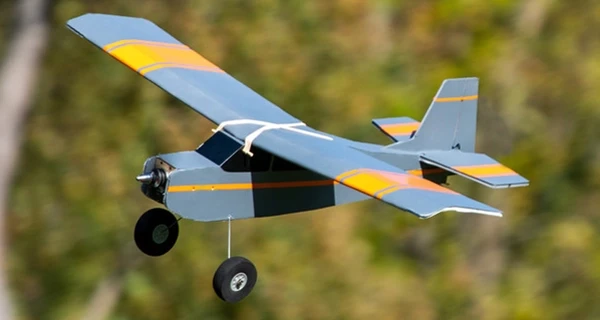
Your first step into the world of flight — made simple.